
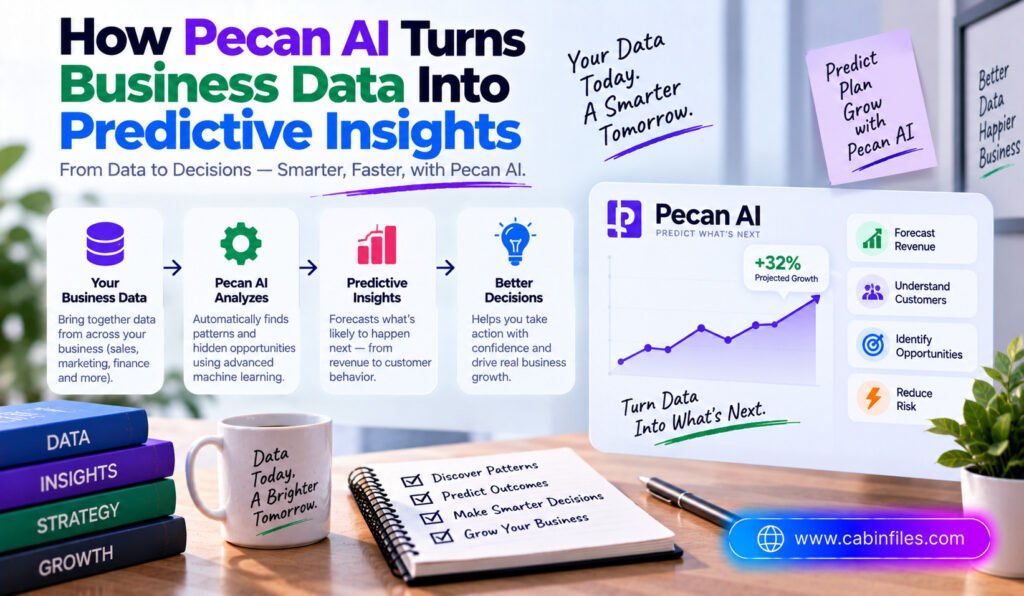
Businesses collect enormous amounts of data every day. Customer transactions, website activity, marketing campaigns, sales interactions, product usage, inventory movements, and support records all contain useful information. The challenge is not always collecting this data. The bigger challenge is understanding what it can tell a business about the future. Traditional analytics is excellent at explaining […]
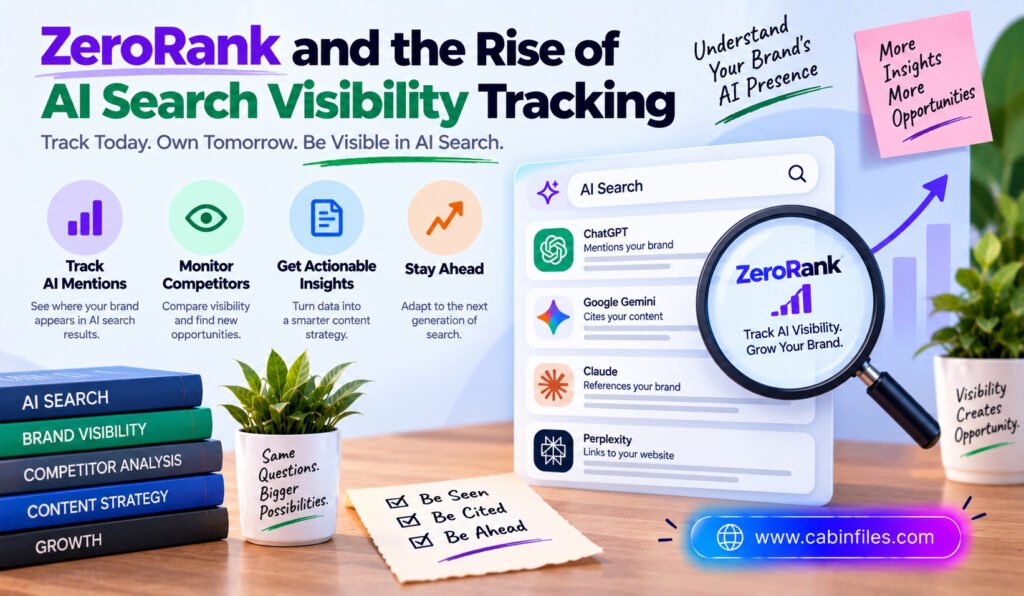
ZeroRank and the Rise of AI Search Visibility Tracking
Search engine optimization is entering a new phase. For years, businesses focused on ranking their websites on Google, improving organic traffic, and monitoring keywords. Those activities remain important, but the way people search for information is changing. Today, users can ask AI platforms for product recommendations, business comparisons, software suggestions, travel ideas, and answers to […]
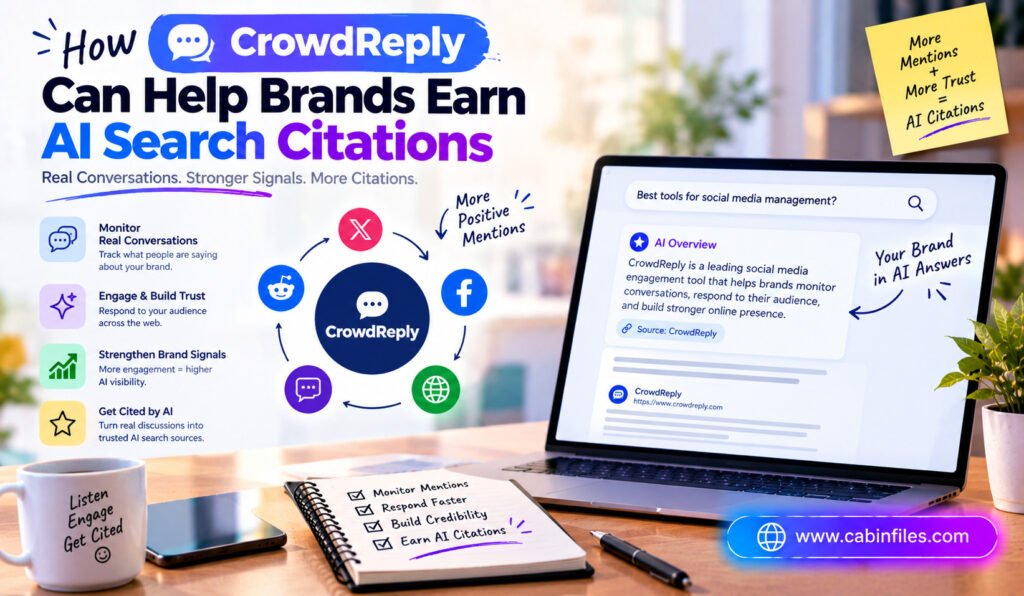
How CrowdReply Can Help Brands Earn AI Search Citations
Search is changing. People are increasingly asking AI platforms questions instead of relying only on traditional search results. Whether someone wants to find software, compare products, discover a service, or choose a brand, tools such as ChatGPT, Gemini, Perplexity, and Google’s AI search features can now provide direct recommendations. For businesses, this creates a new […]
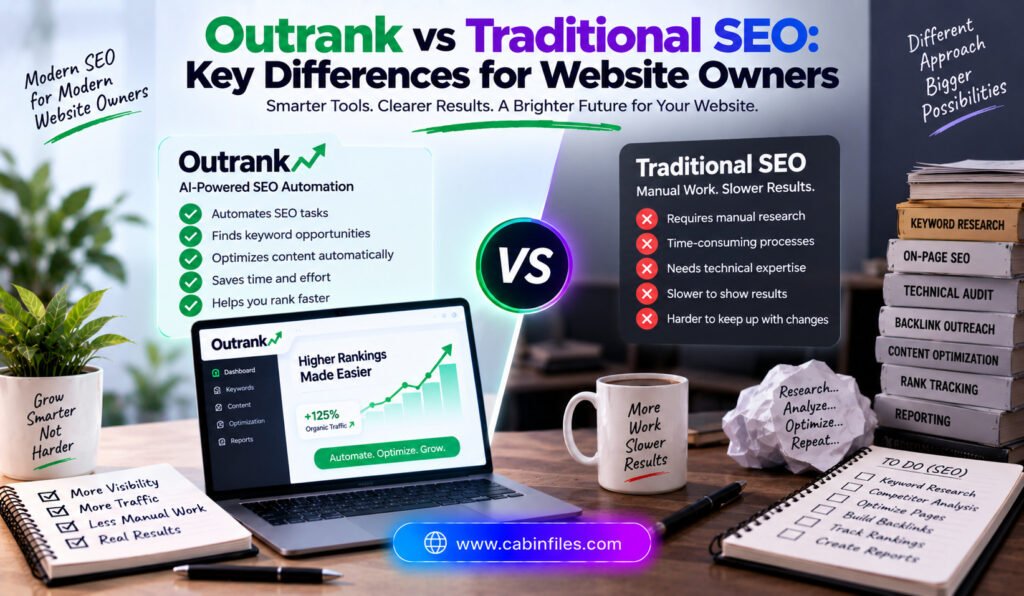
Outrank vs Traditional SEO: Key Differences for Website Owners
Search engine optimization remains one of the most important ways for a website to attract visitors without paying for every click. However, the way SEO is performed is changing. Traditional SEO has depended heavily on manual keyword research, content writing, competitor analysis, link building, technical optimization, and performance tracking. Today, AI-powered platforms such as Outrank […]
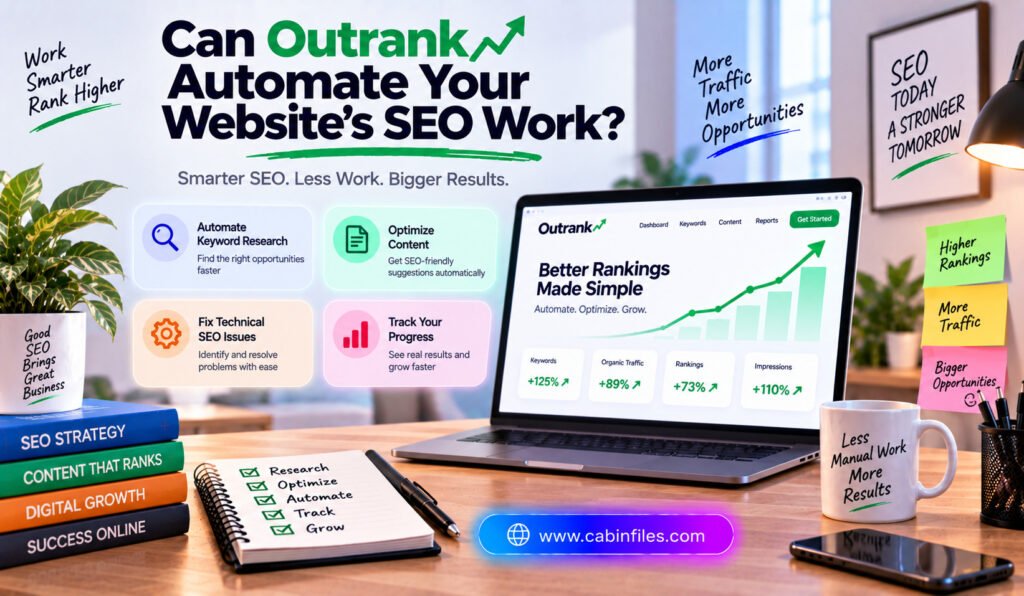
Can Outrank Automate Your Website’s SEO Work?
Search engine optimization can be one of the most effective ways to bring consistent organic traffic to a website. But SEO is also time-consuming. Finding keywords, researching competitors, writing content, adding internal links, optimizing pages, publishing articles, and monitoring rankings can quickly become a full-time responsibility. For small businesses, creators, startups, and lean marketing teams, […]
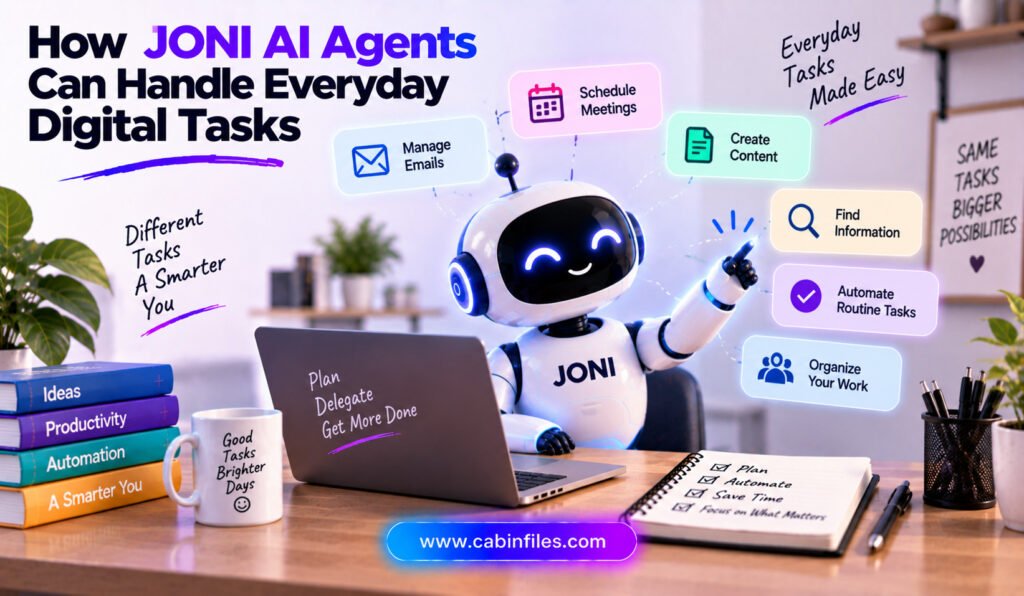
How JONI AI Agents Can Handle Everyday Digital Tasks
Artificial intelligence has changed the way people work, communicate, research information, and manage their daily responsibilities. However, using AI does not always mean less work. In many cases, people still have to open several applications, move information between tools, repeat instructions, and manually complete the final steps. JONI takes a different approach by combining AI […]
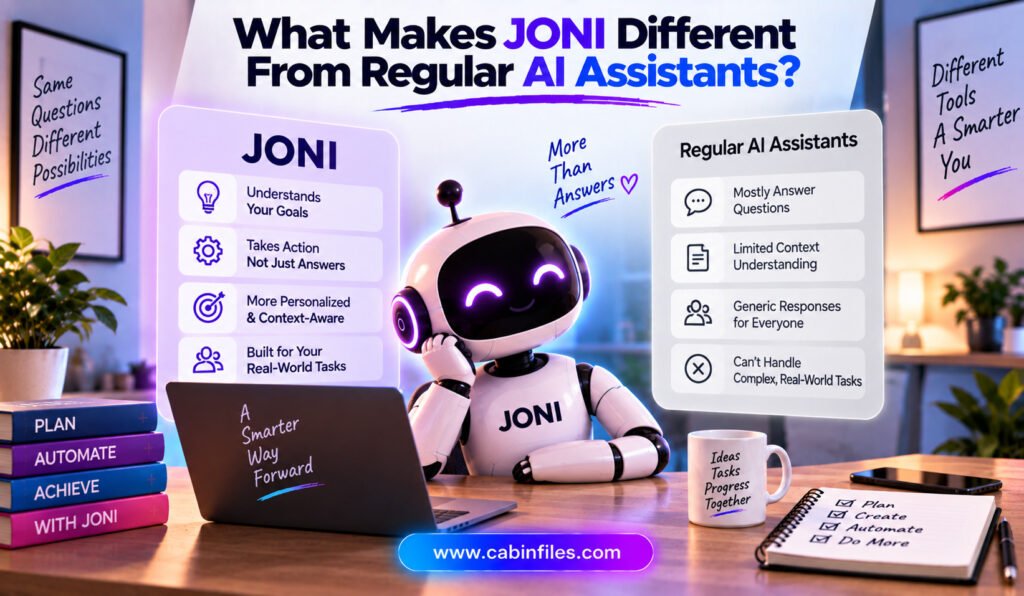
What Makes JONI Different From Regular AI Assistants?
AI assistants have quickly become part of everyday digital work. People use them to write emails, answer questions, summarize documents, generate ideas, create content, and even write code. However, most traditional AI assistants still operate around a relatively simple interaction: you ask a question, receive an answer, and decide what to do next. JONI takes […]

How Creators Can Earn More From Brand Campaigns With Tutti
For many content creators, brand collaborations are an important source of income. But getting more brand deals is not always enough. The bigger challenge is finding campaigns that match your audience, negotiating fair compensation, delivering quality content, and turning one successful collaboration into a long-term brand relationship. This is where platforms such as Tutti can […]
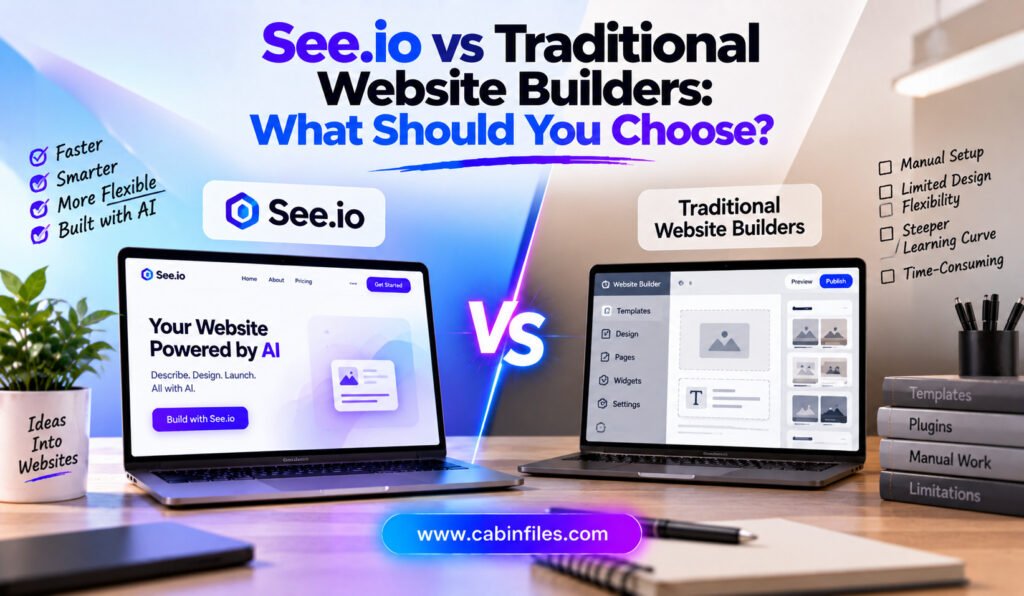
See.io vs Traditional Website Builders: What Should You Choose?
Building a website is easier than ever, but choosing the right way to build it can still be confusing. You can use a traditional website builder, choose a template and customize it manually, or use an AI-powered platform such as See.io to generate a website from a simple description. The right choice depends on what […]
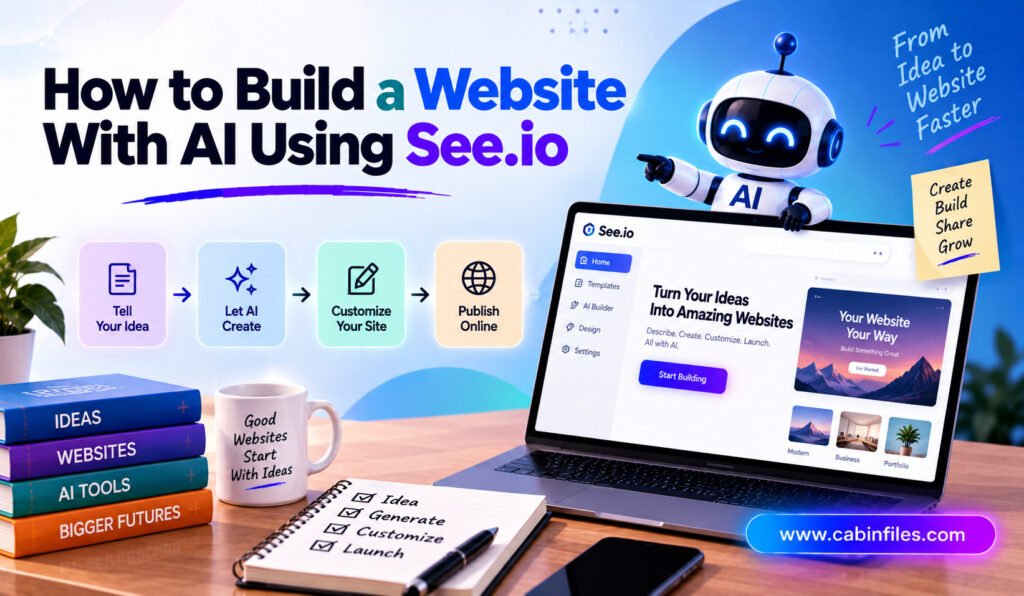
How to Build a Website With AI Using See.io
Building a website used to require a mix of design skills, coding knowledge, and plenty of time. Today, artificial intelligence is changing that process. AI-powered website builders can help turn a simple idea into a functional website without requiring you to write every line of code yourself. See.io is one of the AI-focused platforms designed […]